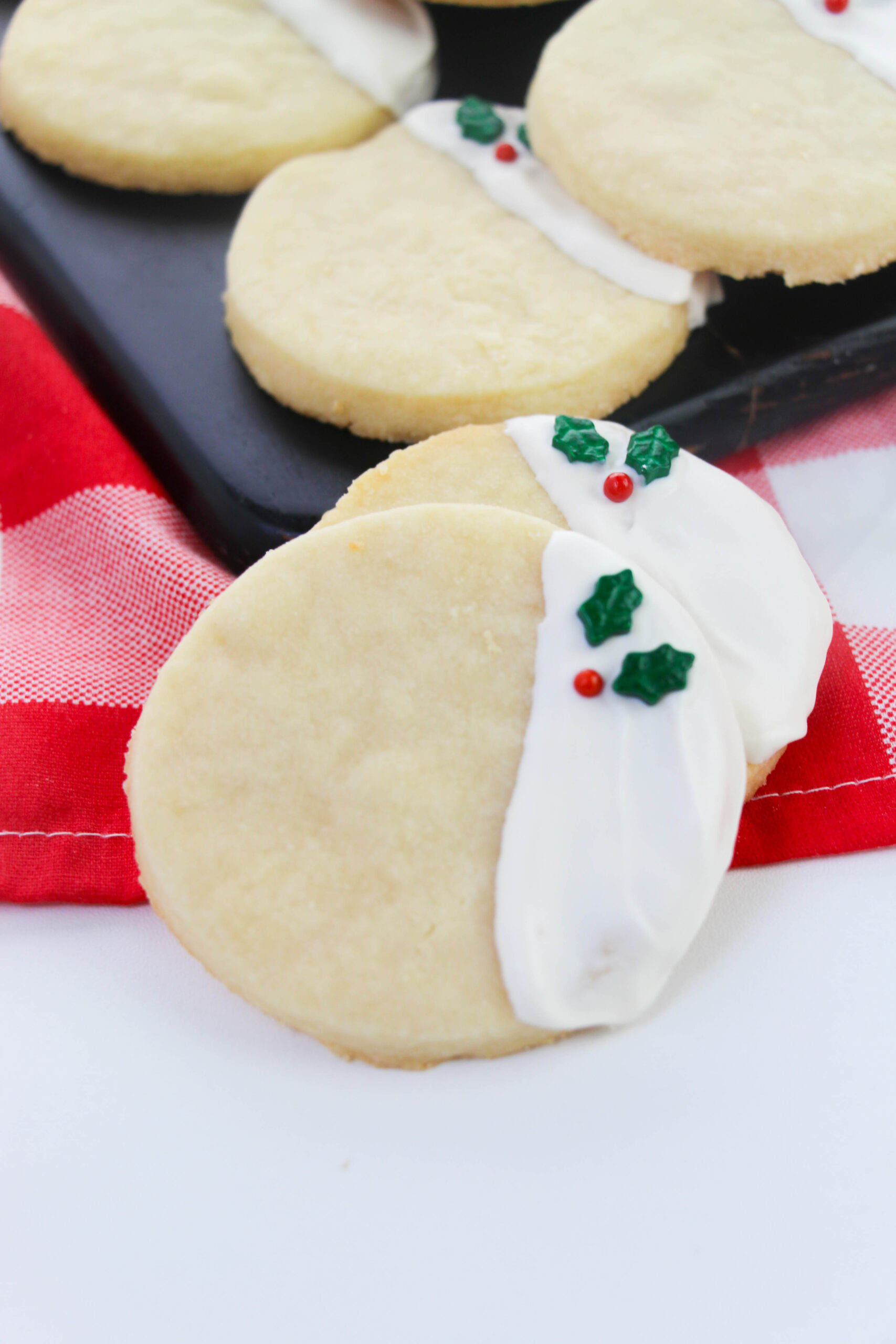
Quick & Easy Christmas Shortbread: 3-Ingredient Holiday Magic
The holiday season, with its twinkling lights and festive cheer, often calls for the comforting aroma of freshly baked goods. But who has hours to spend in the kitchen when there's so much to celebrate? Enter the humble yet utterly delightful Christmas shortbread cookies. Imagine whipping up a batch of melt-in-your-mouth, buttery biscuits with just three simple ingredients. It's not a dream; it's the magic of shortbread, and it's here to transform your holiday baking from a chore into a joy.
These classic Scottish biscuits are the epitome of elegance through simplicity. Perfect for last-minute guests, a thoughtful homemade gift, or simply a cozy evening by the fire, our 3-ingredient shortbread recipe promises bakery-quality results without the fuss. Get ready to impress with minimal effort and maximum flavor!
The Secret to Shortbread: Simplicity & Quality Ingredients
At its heart, traditional shortbread is a testament to the power of a few high-quality ingredients. Typically made from one part sugar, two parts butter, and three parts plain wheat flour, this ratio creates a crumbly, tender texture that practically dissolves on your tongue. For our holiday version of Christmas shortbread cookies, we're focusing on elevating these core components to their peak performance.
- Butter: The Unsung Hero
This is where your shortbread truly shines. As professional chefs often emphasize, the quality of your butter makes *all* the difference. Opt for a high-quality butter with a higher butterfat percentage, ideally around 82%. European-style, slow-churned butter, while a slight splurge, contributes to a superior texture, richer flavor, and a dough that is wonderfully pliable and easy to work with. The higher butterfat means less water, leading to that coveted melt-in-your-mouth experience and less gluten development. It's the foundation for that perfect "short" (meaning crumbly) texture. - Sugar: The Sweet Touch
While granulated sugar can be used, many prefer powdered sugar (confectioners' sugar) for shortbread. Its finer texture incorporates more smoothly into the butter, resulting in a more uniform crumb and a delicate, almost velvety mouthfeel. It also helps to prevent a grainy texture, ensuring your Christmas shortbread cookies are as smooth as can be. - Flour: The Structural Support
Plain all-purpose flour is your go-to here. The key with shortbread is to avoid overmixing once the flour is added. Overworking the dough develops gluten, which can lead to tough, chewy cookies – the opposite of what we want for shortbread's signature tender crumb. A light hand and gentle mixing are crucial to maintaining that delicate structure.
By understanding the role each ingredient plays and choosing the best quality you can, you're already halfway to baking extraordinary Christmas shortbread cookies. It's a foundational principle that truly elevates your baking.
Crafting Your Christmas Shortbread: Step-by-Step Magic
Creating these delightful cookies is incredibly straightforward, even for novice bakers. The beauty lies in the simple process and the magical transformation of a few ingredients into something truly special.
- Cream the Butter and Sugar: In a large bowl, cream together your high-quality butter (it should be softened but still cool to the touch) and powdered sugar until light and fluffy. This step incorporates air, contributing to the cookie's tender texture. Don't rush this; a good creaming can take a few minutes.
- Fold in the Flour: Gradually add your plain flour to the creamed mixture, mixing on low speed or by hand until just combined. Remember the golden rule: do not overmix! The dough will come together to form a soft, pliable ball.
- The Crucial Chill: This step is non-negotiable for perfect shortbread. Wrap your dough tightly in plastic wrap and chill it in the refrigerator for at least 30 minutes, or up to an hour. Chilling allows the butter to firm up, preventing the cookies from spreading too much in the oven and locking in that rich flavor. Some bakers even chill their butter-sugar mix for 15 minutes before adding flour, finding it enhances the dough's workability.
- Roll, Cut, and Chill Again: On a lightly floured surface, roll out your chilled dough to about 1/4-inch thickness. Now comes the fun part: cutting out your festive shapes! Stars, trees, snowflakes, or even simple squares or sticks cut with a knife – the choice is yours. Once cut, gently transfer your shapes to a baking sheet lined with parchment paper. For an extra safeguard against spreading, pop the baking sheet with the cut cookies back into the fridge for another 10-15 minutes before baking. This double-chill method is a secret weapon for perfectly crisp edges and maintained shapes. You can find more tips on festive shapes and decorating in our guide: Classic Christmas Shortbread: Festive Shapes & Easy Decoration Tips.
- Bake to Golden Perfection: Bake in a preheated oven (typically around 325-350°F or 160-175°C) for 15-20 minutes, or until the edges are lightly golden and the centers are just set. The buttery aroma filling your kitchen will be pure holiday bliss!
- Cool and Decorate: Allow the cookies to cool on the baking sheet for a few minutes before transferring them to a wire rack to cool completely. Once cool, they're ready for decoration. A simple dusting of powdered sugar, festive red and green nonpareils, or a drizzle of melted white chocolate can add that extra holiday sparkle.
Through countless tests, bakers have discovered that these simple steps, particularly the chilling periods and gentle handling, are key to achieving that tender, melt-in-your-mouth texture we all crave during the holidays. Patience truly yields perfection when it comes to shortbread.
Beyond the Basics: Festive Flair & Serving Suggestions
While delicious plain, Christmas shortbread cookies are a fantastic canvas for festive creativity. Consider adding a pinch of vanilla extract or a hint of citrus zest (lemon or orange) to your dough for an extra layer of flavor. A light sprinkle of coarse sanding sugar before baking adds a beautiful sparkle and a delightful crunch.
For decorating, the possibilities are endless! Beyond the classic red and green nonpareils, you could:
- Drizzle with melted white or dark chocolate.
- Use a simple glaze made from powdered sugar and milk/lemon juice.
- Adorn with edible glitter or sprinkles for extra sparkle.
- Create sandwich cookies by filling two shortbread rounds with jam or chocolate ganache.
These cookies are not just a treat; they're an experience. Serve them warm with a mug of cinnamon-spiced coffee, hot cocoa, or your favorite holiday tea. They are perfect for sharing at holiday gatherings, gifting to friends and neighbors, or simply enjoying during a quiet moment of reflection. Their sturdy yet delicate nature also makes them ideal for packing and shipping as gifts.
The tradition of cutting cookies into festive shapes, dating back to ancient practices of symbolizing good luck, adds another layer of charm to these holiday stars. Whether you're honoring an age-old tradition or simply creating new memories, these shortbread cookies are sure to be a cherished part of your festive season.
With just three humble ingredients and a few simple steps, you can create a truly magical holiday treat. These Christmas shortbread cookies are more than just a recipe; they're an invitation to slow down, savor the season, and enjoy the simple pleasures of homemade goodness. From our kitchen to yours, we wish you a joyous and delicious holiday season!
